Low-GI Foods: Table, Fruit, and Tips to Prevent Spikes
7 min read
↳ Sottosezione
ArticleSubsection
child #1 • id=datasource-0
Afraid of glycemic peaks? Breathe. Low glycemic index foods (up to 55/100) are here to help: legumes, vegetables, whole grains — and yes, al dente semolina pasta. Eating well doesn't mean starving or cutting carbs: choose the right ones and pair them smartly.
↳ Sottosezione
ArticleSubsection
child #2 • id=datasource-1
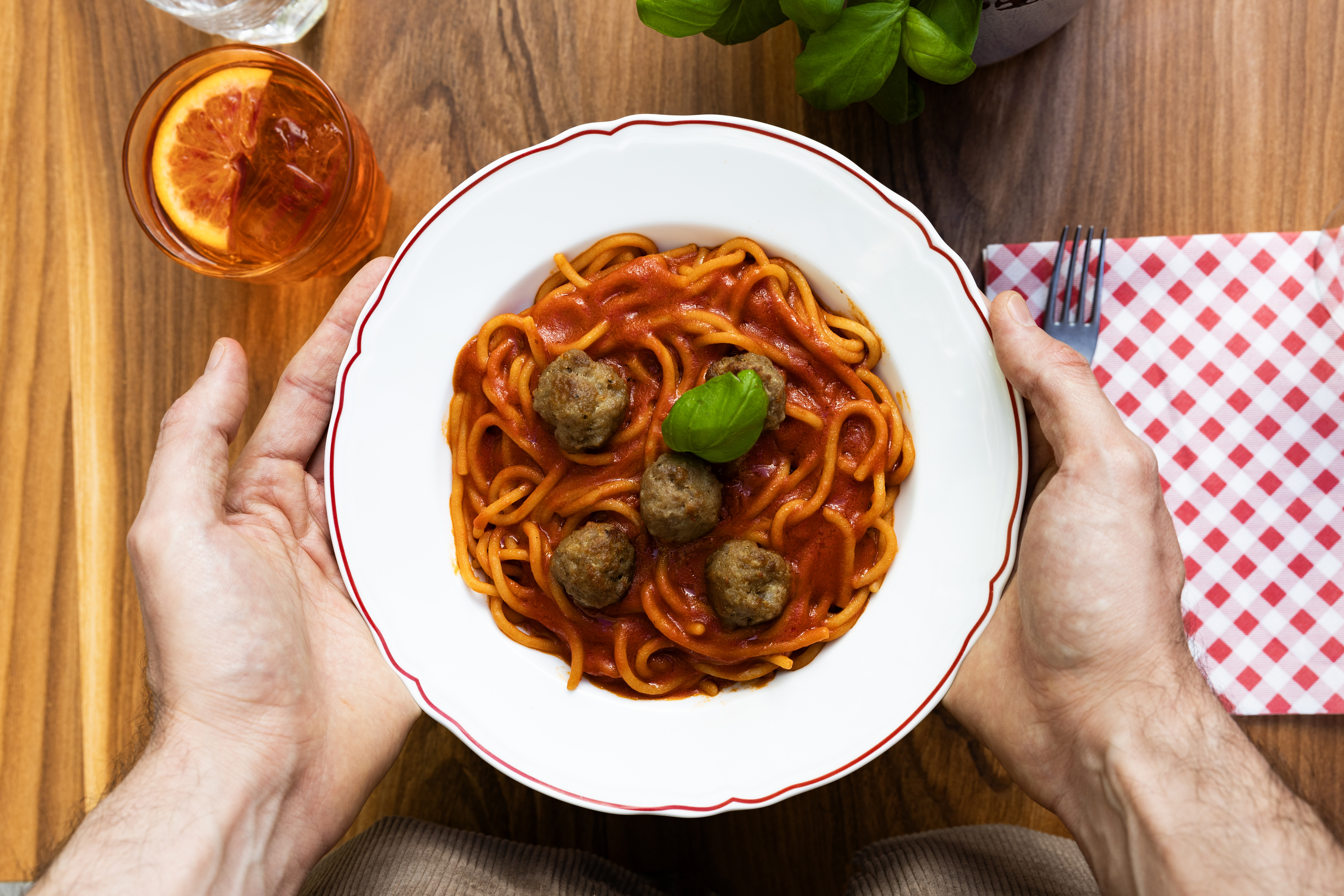
FUCK "CHEAT" MEALS. Enjoy food with awareness — pasta is not your enemy.
↳ Sottosezione
ArticleSubsection
child #3 • id=datasource-2
The real VIPs: which low-GI foods
Low-GI foods are the real Mediterranean Diet basics. Values from 2008 international tables and Harvard Health.
| 1. Legumes: peanuts (7), soy (15-16), beans (24-31), lentils (29-32), chickpeas (~28). |
| 2. Non-starchy veg: spinach, broccoli, zucchini — barely touch blood sugar. |
| 3. Well-cooked grains: barley (28), quinoa (53), oats (55), al dente semolina pasta (46-49). |
↳ Sottosezione
ArticleSubsection
child #4 • id=datasource-3
Numbers on the table: the chart you wanted
Here's a reference chart (averages from international tables):
More on GI and GL in our dedicated guide.
| Food | Glycemic index | Category |
|---|---|---|
| Arachidi / soia | 7 - 16 | Low |
| Fagioli / lenticchie / ceci | 10 - 32 | Low |
| Mela / pera / arancia / pesca | 36 - 43 | Low |
| Spaghetti al dente | 46 - 49 | Low |
| Uva / ananas | 59 | Medium |
| Pane bianco / integrale | 71 - 75 | High |
| Anguria | 72 - 76 | High |
| Riso bianco bollito | 73 - 89 | High |
| Patata al forno | up to 111 | High |
↳ Sottosezione
ArticleSubsection
child #5 • id=datasource-4
The truth about low-GI fruit
Low-GI fruit exists and tastes great: grapefruit (25), prunes (29), apple (36-39), pear (38), orange (40-43), peach (42). Watch watermelon (72-76) and pineapple (59) — fine with good fats to soften the impact.
↳ Sottosezione
ArticleSubsection
child #6 • id=datasource-5
And foods that raise blood sugar?
The sharpest raisers are refined/overcooked starches: baked potato (up to 111), instant mash (87), white rice (73-89), cornflakes (81-93), bread (71-75). Delete them forever? No — learn to pair them.
↳ Sottosezione
ArticleSubsection
child #7 • id=datasource-6
5 "zero fuss" tricks to tame glycemia
| 1. Veggies first. Fibre, then protein, carbs last. |
| 2. A touch of acid. Vinegar/lemon can cut the response ~20%. |
| 3. Load fibre. Softer glycemic curve. |
| 4. Never overcook. Al dente 46 vs overcooked 58 (Harvard). |
| 5. Perfect combo. Carbs + EVO oil or protein = tamed peak. |
↳ Sottosezione
ArticleSubsection
child #8 • id=datasource-7
So pasta? Ancient grains, legumes and sorghum
Durum semolina pasta is a low-GI food (avg ~46-55) thanks to its compact gluten network (Foods 2021). Wholegrain/legume versions go lower; fresh pasta can bring 3 to 8+ g fibre per serving.
↳ Sottosezione
ArticleSubsection
child #9 • id=datasource-8
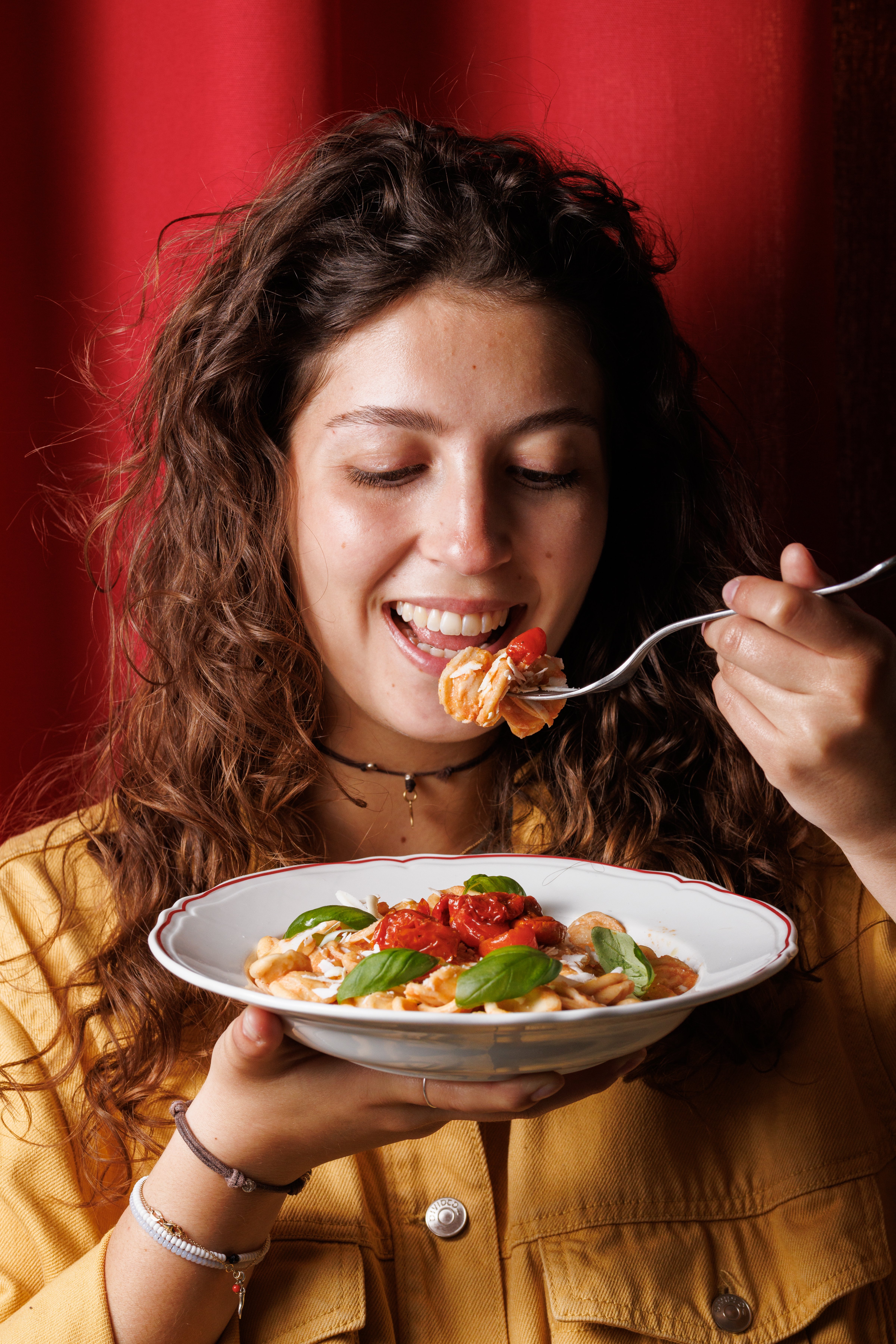
At miscusi, a low-GI diet tastes right
Pasta done properly is part of the answer. Ours is Superpasta: fresh, eggless, water + semolina from organic Kronos and stone-milled ancient grains, bronze-die extruded — plus legume blend and sorghum. Menu.
↳ Sottosezione
ArticleSubsection
child #10 • id=datasource-9
Quick answers (FAQ)
What are low glycemic index foods?
Which foods have a low glycemic index?
All of those with a value on the scale up to 55: legumes (chickpeas, lentils, beans), vegetables, whole grains, and our beloved semolina pasta—especially when cooked to a nice al dente bite.
Which fruit is safe for blood sugar?
Apples, pears, peaches, oranges and grapefruits run at low values (below 45). Watermelon and pineapple are higher, so it's better to eat them on a full stomach or paired with healthy fats.
How can I reduce the glycemic impact of a meal?
Start with vegetables, never overcook the pasta, use flours that are not ultra-refined, and always add a healthy fat (such as extra-virgin olive oil) or a protein to slow the absorption of sugars.
So does pasta raise blood sugar?
The real thing, cooked properly, no. Durum wheat pasta, thanks to its structure, has a medium-to-low glycemic response. If you choose whole-grain, ancient-grain, or legume-based doughs, the value drops even more.
↳ Sottosezione
ArticleSubsection
child #11 • id=datasource-10
Sources
| 1. Atkinson FS et al., International Tables of GI 2008 — pubmed |
| 2. Harvard Health, GI and GL for 100+ foods — harvard.edu |
| 3. University of Sydney, About GI — glycemicindex.com |
| 4. Shishehbor F. et al., Vinegar… 2017 — sciencedirect |
| 5. Vegetables first study, 2023 — PMC10005673 |
| 6. Di Pede G. et al., Foods 2021 — PMC8623826 |